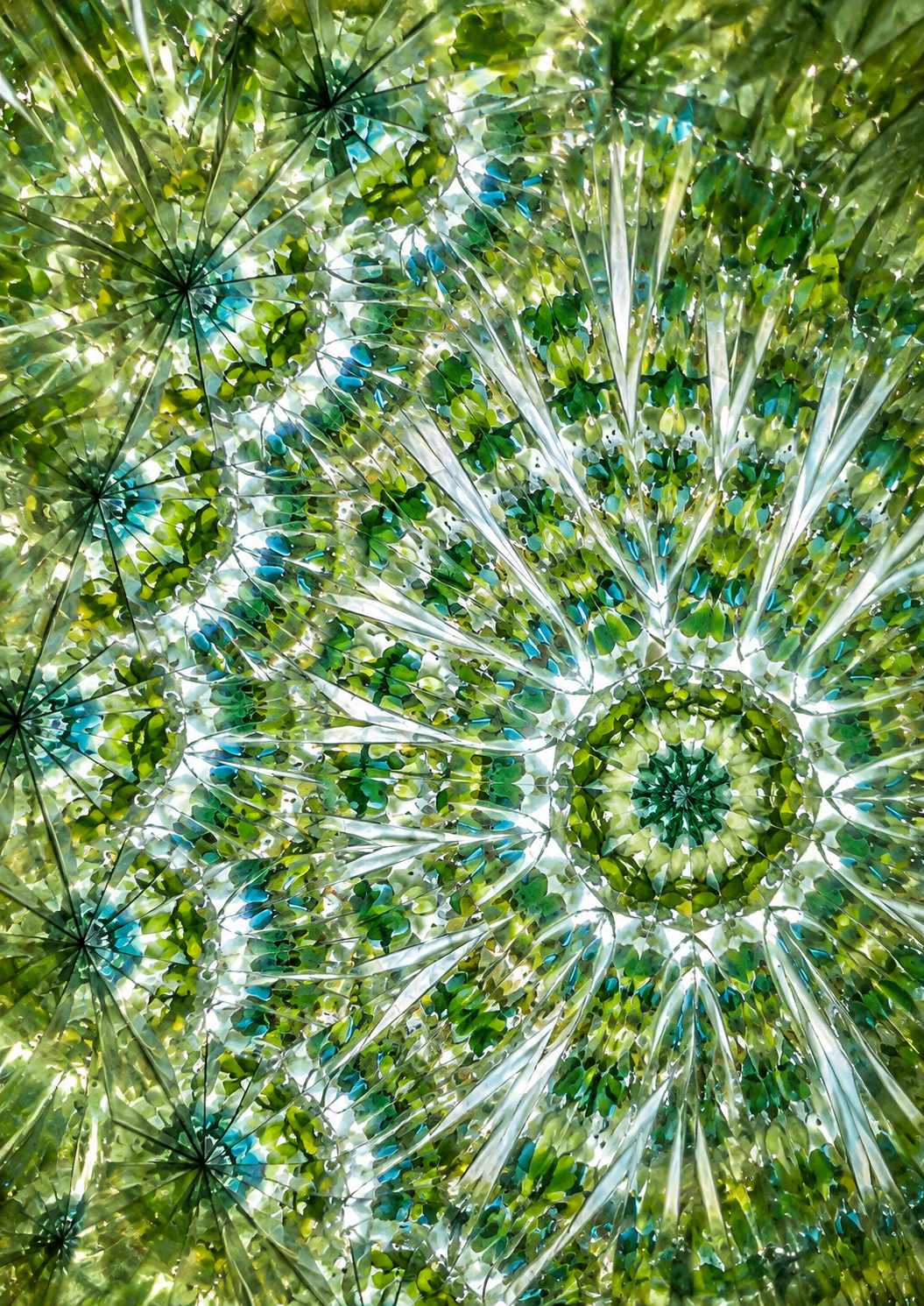
My work began with making kaleidoscopes and discovering the extraordinary patterns created by light, mirrors and a handful of coloured fragments.
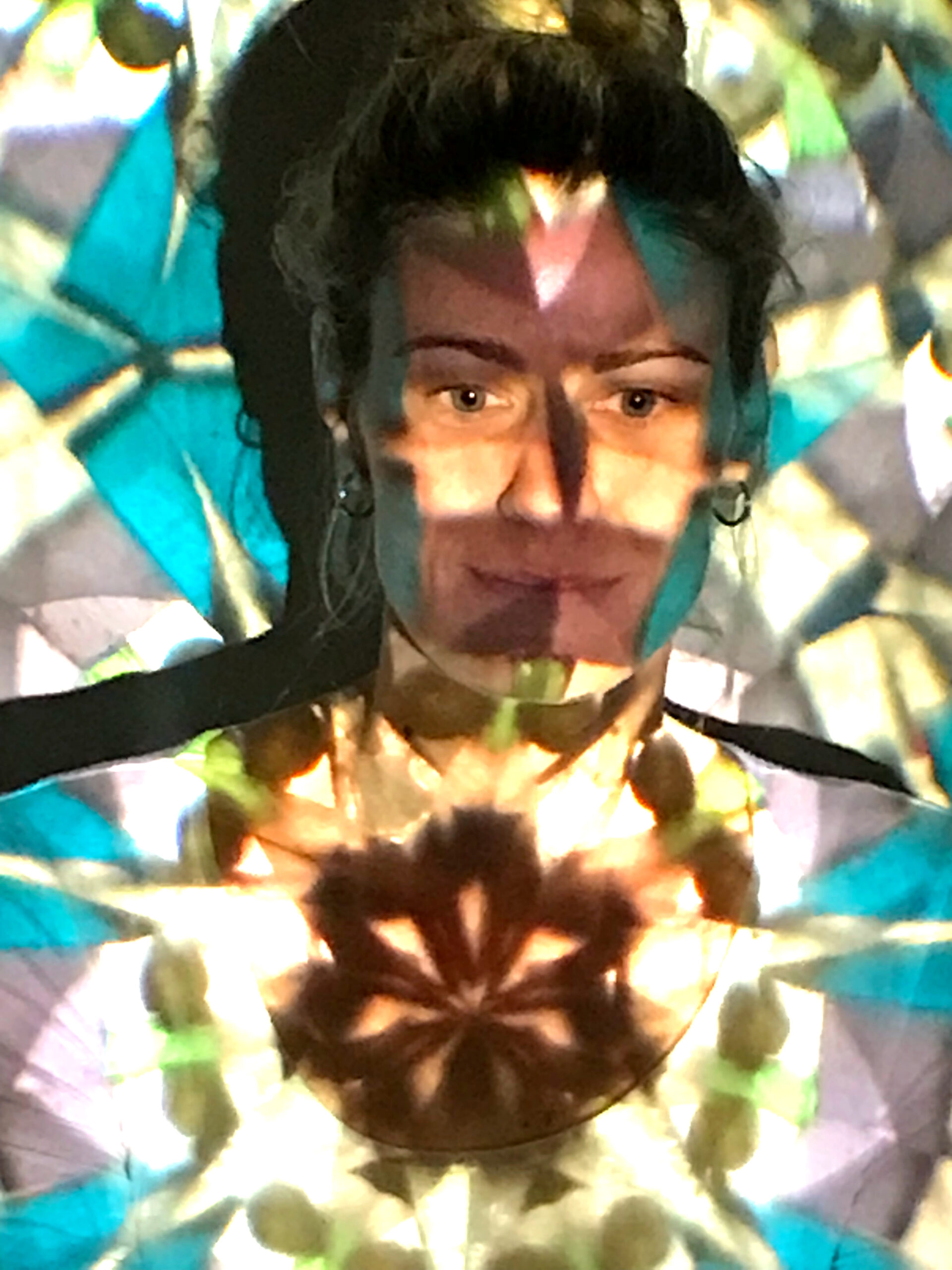
Over time, I became just as curious about the people looking through them.
What do we notice? Why do certain patterns hold our attention? And how does the way we look influence what we experience?
Those questions continue to guide my work, connecting optical craftsmanship, personal observation and an ongoing interest in the science of perception
OPTICAL CRAFTSMANSHIP
Curiosity Began with a Kaleidoscope
I began making kaleidoscopes because I was fascinated by what a few mirrors, coloured fragments and light could create.
But something else caught my attention: the responses of people looking through them.
What began as an artistic exploration gradually became a much broader curiosity about seeing, attention, recognition and human experience.
That curiosity continues to shape my work today.
Remove the invented story about a backyard workshop, brass shavings and sixty-degree mirror angles.
MY APPROACH
How I Approach a Question
01. Observe
I begin by paying attention to what actually happens, without rushing to explain it.
02. Document
I record what I notice, the conditions involved and any patterns that seem to recur.
03. Question
I explore possible explanations, consider alternatives and remain open to being wrong.
04. Investigate
I look at existing research and ask what would need to be tested before drawing a conclusion.
METHODOLOGICAL RIGOR
Evidence, Observation and Interpretation
Not every observation is a scientific finding, and not every interesting idea has been tested.
In my work, I distinguish between what established research tells us, what I’ve observed through years of creative practice, and the questions that still need investigating.
These are different forms of understanding, and each deserves to be presented honestly.
My aim is not to prove a predetermined conclusion, but to keep asking better questions.
If this section contains four existing information cards, retain them and use these categories:
01
Established Research
Peer-reviewed, double-blind quantitative evidence. These clinical data points establish baseline safety standards and verifiable therapeutic efficacy, providing the bedrock of hard science.
02
Practice Observations
Qualitative insights gathered during daily clinical engagement. Direct case observations document subtle patterns, individual variations, and real-time responses that aggregate over time.
03
Possible Interpretations
Speculative frameworks bridging raw clinical findings and practice-led data. These emerging ideas guide future structured investigations and build new paradigms for development.
Questions I'm Exploring
Why are we so drawn to symmetry and repeating patterns?
What happens to our attention when an image changes before our eyes?
How do light, colour and geometric forms influence what we notice and how we describe our experience?
These are some of the questions that continue to interest me.
Through optical experimentation, observation and engagement with existing research, I’m exploring what can be understood, what remains uncertain and what might be worth investigating more formally.
SECTION IV — THE ARCHIVE
Explore Further
Curious about the research behind some of these questions?
Visit my Research Library for a growing collection of published studies, books and historical references that inform my work.