Alpha brain rhythms — oscillations in the 8–12 Hz range — are often associated with relaxed, attentive states.
In the mid-20th century, artists and experimenters built devices that used flickering light to gently nudge the brain toward alpha states. One of the most well-known was the Dreamachine, developed by Brion Gysin and Ian Sommerville.
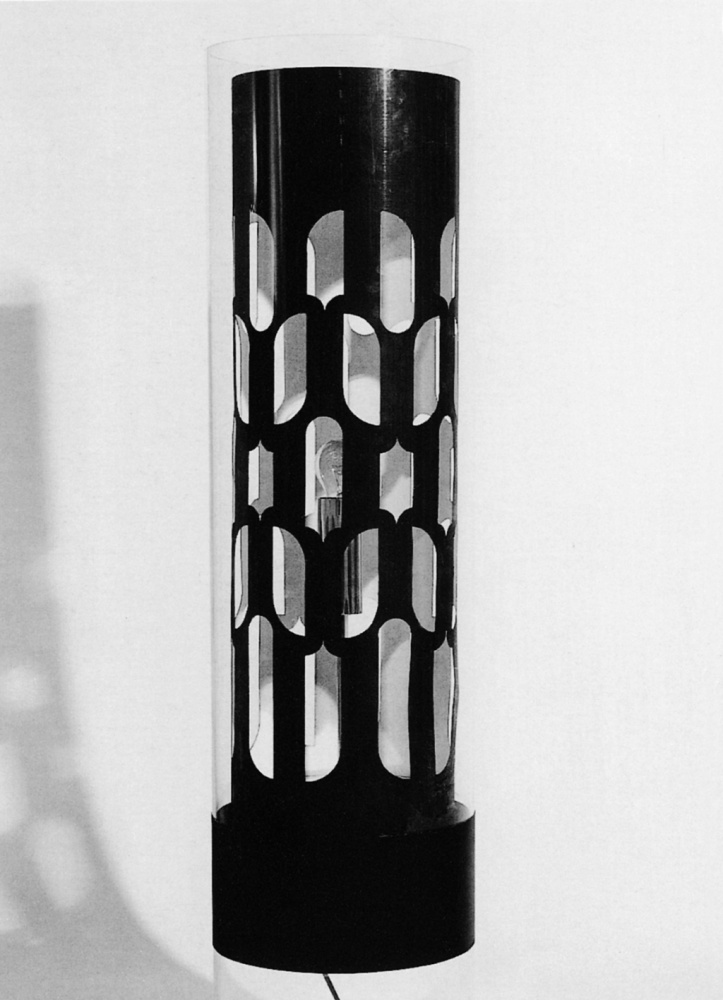
The premise was simple: rhythmic visual stimulation can entrain neural oscillations.
Entrainment is not mystical. It is a physical principle. Systems with oscillatory behaviour tend to synchronise under certain conditions.
We are constantly entrained, by music, by speech cadence, by digital rhythm.
The question is not whether we are influenced.
The question is whether we are choosing the rhythm.
In my own work with structured light, I noticed that controlled repetition produced a different internal state than chaotic visual input. Not euphoric. Not dissociative. Simply ordered.
Regulation may not begin with emotion.
It may begin with rhythm.